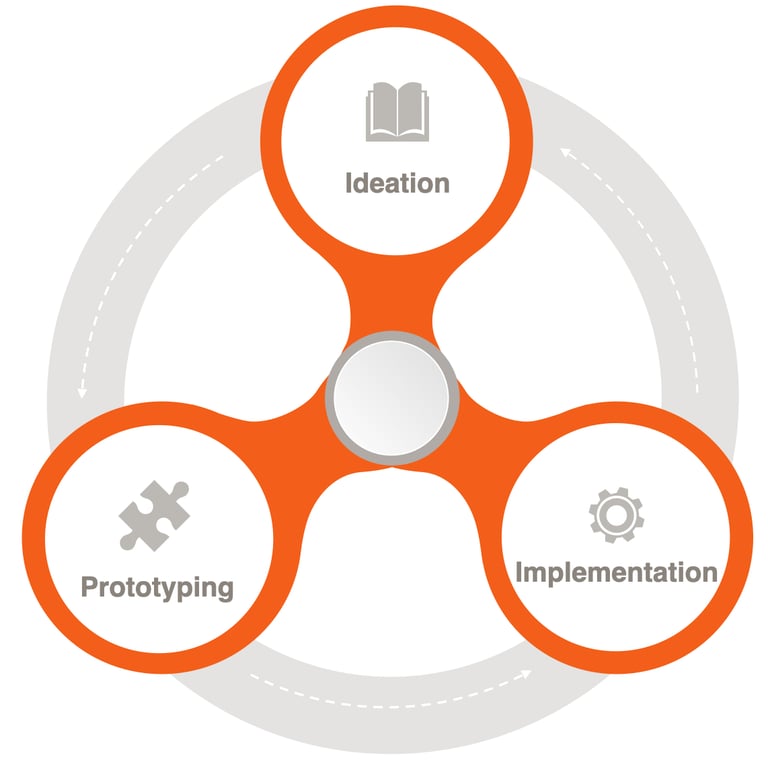
Service Design Framework
Governments deliver a broad spectrum of services to citizens—ranging from healthcare and education to social welfare and public safety. However, traditional service delivery models have often been fragmented, siloed, and reactive, leading to operational inefficiencies, service duplication, and widespread frustration among both citizens and public servants.
Service design offers a powerful solution to these challenges by introducing a user-centric, integrated, and proactive approach to service delivery. It enables governments to move beyond transactional models and focus on designing services that are intuitive, accessible, and aligned with citizen needs.
In recent years, many governments globally have embraced service design methodologies as a key driver of public sector transformation. With its core principles of co-creation, prototyping, and continuous improvement, service design empowers institutions to:
Understand and anticipate citizen needs and expectations
Design and deliver services that are seamless and impactful
Create feedback loops to evaluate and enhance the user experience over time
By embedding service design into government operations, public institutions can significantly improve service quality, enhance citizen satisfaction, and achieve greater efficiency in the use of public resources.